41 zero coupon bonds advantages
What are Zero Coupon Bonds? Explain some of its variants. Explain some of its variants. Zero-coupon bonds (ZCB), also known as deep discount bonds do not carry any coupon rate. They are issued at a discount and redeemable at par. The amount of discount is equal to the total return for the investor. This can be expressed in terms of interest rate, called the implicit or inherent rate of interest. Zero-Coupon Bond - Definition, How It Works, Formula Extending the idea above into zero-coupon bonds - an investor who purchases the bond today must be compensated with a higher future value. Therefore, a zero-coupon bond must trade at a discount because the issuer must offer a return to the investor for purchasing the bond. Pricing Zero-Coupon Bonds
Zero-Coupon Bonds: Pros and Cons - Management Study Guide This is the reason why zero-coupon bonds have a higher annualized yield as compared to other bonds. This works out to be beneficial for investors who do not have a need for receiving immediate payments. No Reinvestment Risk: Zero-coupon bonds do not have any reinvestment risk. This is because the bond does not pay interest periodically.
Zero coupon bonds advantages
Zero Coupon Bonds- Taxability under Income Tax Act, 1961 What are the benefits of investing in Zero Coupon Bonds? Zero Coupon Bonds carries lesser risk with fixed income option. The return on these bonds is comparably higher as compared to other fixed income options. Further, the most important advantage of the zero coupon bonds is that no tax is payable on interest element if you invest in notified ... Zero-Coupon Bonds Zero-Coupon Bonds. Zero-coupon bonds (or zeros, as they are called) differ from other debt obligations in that they don't pay out a stream of interest payments. Instead, they're issued at substantial discounts and accumulate and compound the interest. ... Advantages of Zero-Coupon Bonds. Therefore, zeros have two major advantages for the ... The One-Minute Guide to Zero Coupon Bonds | FINRA.org Instead of getting interest payments, with a zero you buy the bond at a discount from the face value of the bond, and are paid the face amount when the bond matures. For example, you might pay $3,500 to purchase a 20-year zero-coupon bond with a face value of $10,000. After 20 years, the issuer of the bond pays you $10,000.
Zero coupon bonds advantages. Pros and Cons of Zero-Coupon Bonds | Kiplinger Their big advantage is that you know how much you'll collect a certain number of years from now. In mid June, for example, you could have bought a U.S. Treasury zero for $341 that matures in August... Advantages and Risks of Zero Coupon Treasury Bonds Unique Advantages of Zero-Coupon U.S. Treasury Bonds Treasury zeros zoom up in price when the Federal Reserve cuts rates, which helps them to protect stock holdings at precisely the right time. The... Advantages and Disadvantages of Bonds | Boundless Finance | | Course Hero Zero coupon bonds: A zero-coupon bond (also called a discount bond or deep discount bond) is a bond bought at a price lower than its face value, with the face value repaid at the time of maturity. ... Advantages of Bonds Bonds have a clear advantage over other securities. The volatility of bonds (especially short and medium dated bonds) is ... What Is a Zero-Coupon Bond? | The Motley Fool So while a traditional bond with a $10,000 face value might sell for $10,000, a zero-coupon bond with a $10,000 face value might sell for $5,000 initially. When to consider zero-coupon bonds
Zero-Coupon Bonds: Definition, Formula, Example, Advantages, and ... Advantage of Zero-Coupon Bonds From an investor's perspective, zero coupon bonds have the following advantages: They are safe investment instruments, and have a lower element of risk involved. Long Dated zero coupon bonds are said to be the most responsive to interest rate fluctuations. Zero coupon bonds what are the advantages and - Course Hero 1. Zero-Coupon Bonds. What are the advantages and disadvantages to a firm that issues low- or zero-coupon bonds? ANSWER: From the perspective of the issuing firm, low or zero coupon bonds have the advantage of requiring low or no cash outflow during the life of the bond. The issuing firm is allowed to deduct the amortized discount as interest expense for federal income tax purposes, which adds ... What is a Zero-Coupon Bond? Definition, Features, Advantages ... Advantages of Zero-Coupon Bond. A zero-coupon bond is a secured form of investment when done for the long term. The various benefits it can provide are mentioned below: Predictable Returns: The return on a deeply discounted bond after maturity, is pre-known to the investor in the form of par value or face value. Zero Coupon Bond | Investor.gov Because zero coupon bonds pay no interest until maturity, their prices fluctuate more than other types of bonds in the secondary market. In addition, although no payments are made on zero coupon bonds until they mature, investors may still have to pay federal, state, and local income tax on the imputed or "phantom" interest that accrues each year.
The Pros and Cons of Zero-Coupon Bonds - Financial Web Pros. One of the big advantages of zero coupon bonds is that they have higher interest rates than other corporate bonds. In order to attract investors to this type of long-term proposition, companies have to be willing to pay higher interest rates. This means that if you are alright with not receiving regular interest payments, you can actually make more money in the long run with zero coupon bonds. What is a Zero Coupon Bond? Who Should Invest? | Scripbox Following are the advantages of zero coupon bonds Significant returns on maturity These bonds are deep discount bonds that offer significant returns on maturity. Additionally, a bondholder can exit the bond by selling in the secondary market (stock market), in case the interest rates decline sharply. Fixed interest What are the advantages and disadvantages of zero-coupon bond? Originally Answered: What are the advantages and disadvantages of a zero coupon bond? Advantages (a) Growth and (b) avoiding the temptation to trade. That is you put in X$ and get back many times X when you are Y years old. Disadvantages (a) create phantom income. You must pay tax annually on the interest you are not receiving and (b) survival. Zero-Coupon Bonds - Accounting Hub Advantages of Zero-Coupon Bonds Zero-coupon bonds offer several benefits to issuers and investors. These bonds are less volatile and offer predictable returns to investors. Investors are assured of fixed income at maturity, so it eliminates the reinvestment risk as there are no periodic repayments. These bonds require a low initial investment.
PPT - Financial Markets and Institutions – BA 543 PowerPoint ...
Zero Coupon Bond (Definition, Formula, Examples, Calculations) Zero-Coupon Bond vs. Regular Coupon Bearing Bond Advantages #1 - Predictability of Returns #2 - Removes Reinvestment Risk #3 - Longer Time frame Disadvantages #1- Illiquid Secondary Markets #2 - High Duration and Interest Rate Risk #3 -No Regular Income Recommended Articles Explanation

Cultivate an Understanding of Bonds Zero-coupon bond Also known as a ...
Zero Coupon Bond: Meaning, Features & Advantages - BondsIndia The municipal zero-coupon bonds can help you save tax on the interest income. Advantages of Zero-Coupon Bonds Meet Long-term Goals Zero-Coupon Bonds don't offer regular interest. Instead, the earned interest is accumulated and paid at the maturity. It thus helps create funds that can help meet your long-term goals. Fixed Returns

Zero Coupon Bonds Explained - Fervent | Finance Courses, Accounting Courses
Zero Coupon Bond Funds: What Are They? - The Balance A zero coupon bond is a bond that doesn't offer interest payments but sells at a discount—a price lower than its face value. 1 The bondholder doesn't get paid while they own the bond, but when the bond matures, they will be repaid the full face value. Zero coupon bond funds are funds that hold these types of bonds.

How To Get Rich? 10 Amazing Ideas from Experts!
What Is a Zero-Coupon Bond? Definition, Advantages, Risks Advantages of zero-coupon bonds They often have higher interest rates than other bonds Since zero-coupon bonds do not provide regular interest payments, their issuers must find a way to make them...

7 Best Long Term Investments To Consider | GOBankingRates
Understanding Zero Coupon Bonds - Part One - The Balance Here are some general characteristics of zero coupon bonds: Issued at deep discount and redeemed at full face value Some issuers may call zeros before maturity You must pay tax on interest annually even though you don't receive it until maturity Zero coupon bonds are more volatile than regular bonds
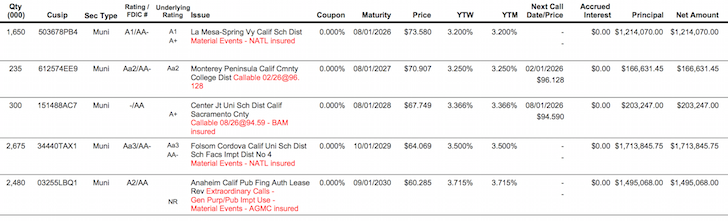
The Allure Of Zero Coupon Municipal Bonds: A Low Risk Investment With ...
Zero-Coupon Bond - an overview | ScienceDirect Topics Moorad Choudhry, in The Bond & Money Markets, 2001. 14.5.2 Bond interest payment. Corporate bonds pay a fixed or floating-rate coupon. Floating-rate bonds were reviewed in Chapter 5. Zero-coupon bonds are also popular in the corporate market, indeed corporate zero-coupon bonds differ from zero-coupon bonds in government markets in that they are actually issued by the borrower, rather than ...

What Are Zero Coupon Bonds? - Annuity.com
What is a Zero Coupon Bond? - ICICIdirect Zero-coupon bond is a type of bond that governments and companies issue. Zero-coupon bonds, unlike other bonds, do not give investors a regular interest pay-out. Instead, they are issued at a steep discount to the bond's face value at the time of issuance. That is why they are also called discount bonds. At maturity, the investor receives the ...
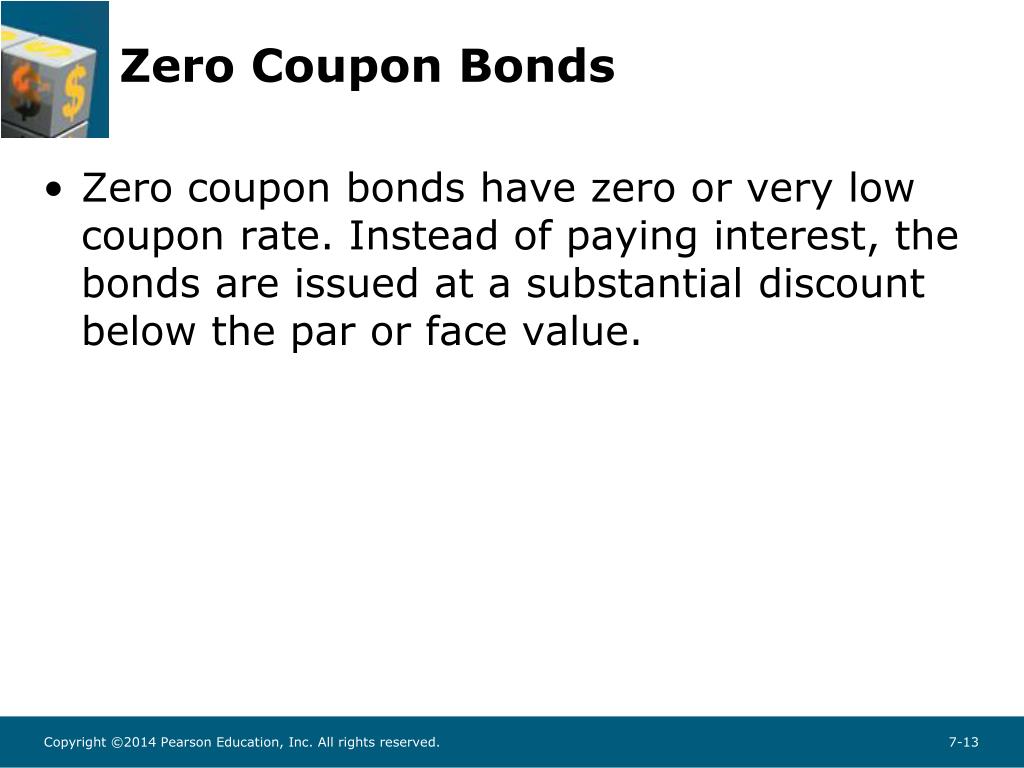
PPT - Chapter 7 The Valuation and Characteristics of Bonds PowerPoint ...
Zero-Coupon Bonds : What is Zero Coupon Bond? - Groww Zero-Coupon Bonds can be highly beneficial if purchased when the interest rate is high. Purchasing municipal Zero-Coupon can be a great way to avoid tax since they are tax-free. However, this is applicable for investors living in the state where the bond has been issued. Zero-Coupon bonds come with both pros and cons.
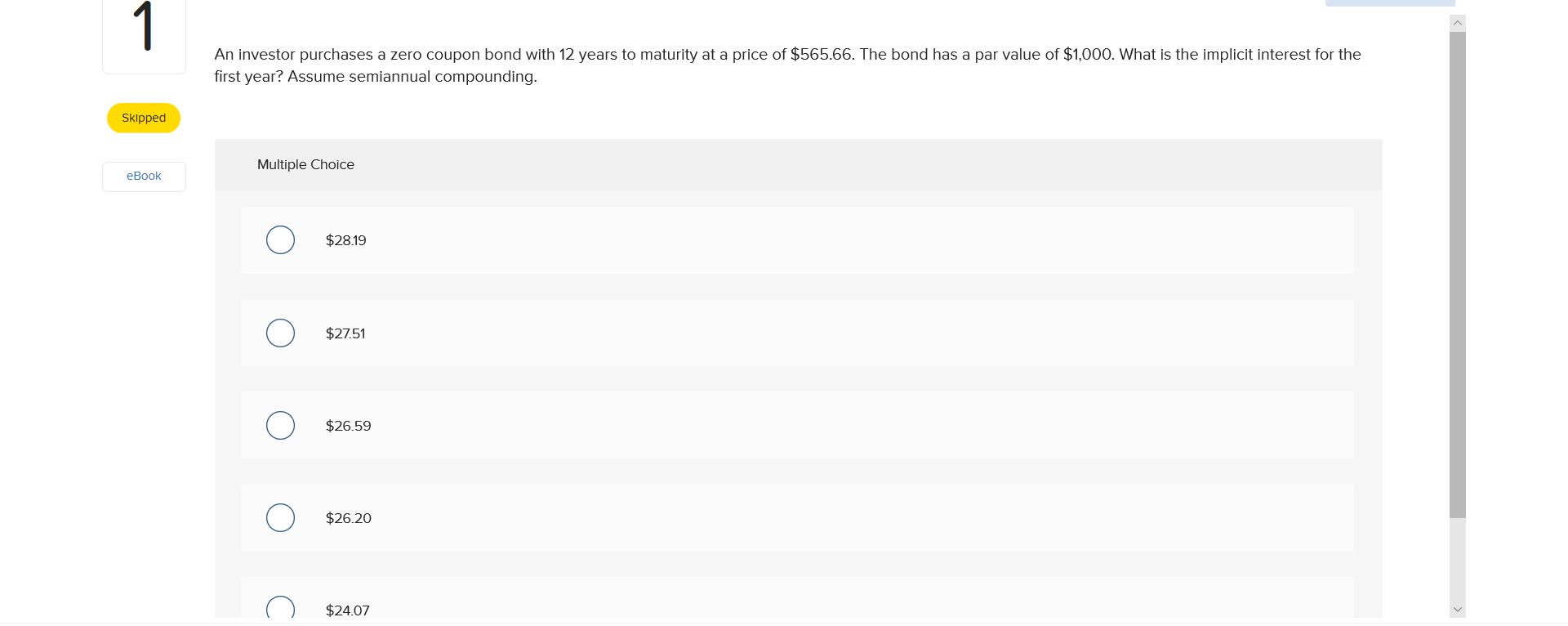
Solved: 1 An Investor Purchases A Zero Coupon Bond With 12... | Chegg.com
Zero-Coupon Bond Definition - Investopedia Regular bonds, which are also called coupon bonds, pay interest over the life of the bond and also repay the principal at maturity. A zero-coupon bond does not pay interest but instead trades at a...

united states - Can zero-coupon bonds go down in price? - Personal ...
What is a Zero Coupon Bond? - Definition | Meaning | Example A Zero coupon bond is a bond that sells without a stated rate of interest. This way the company or government doesn't have to worry about changing interest rates. These bonds are sold at a discount don't pay a standard monthly interest percentage like normal bonds do. Instead, investors receive the gain of the appreciated bond at maturity.
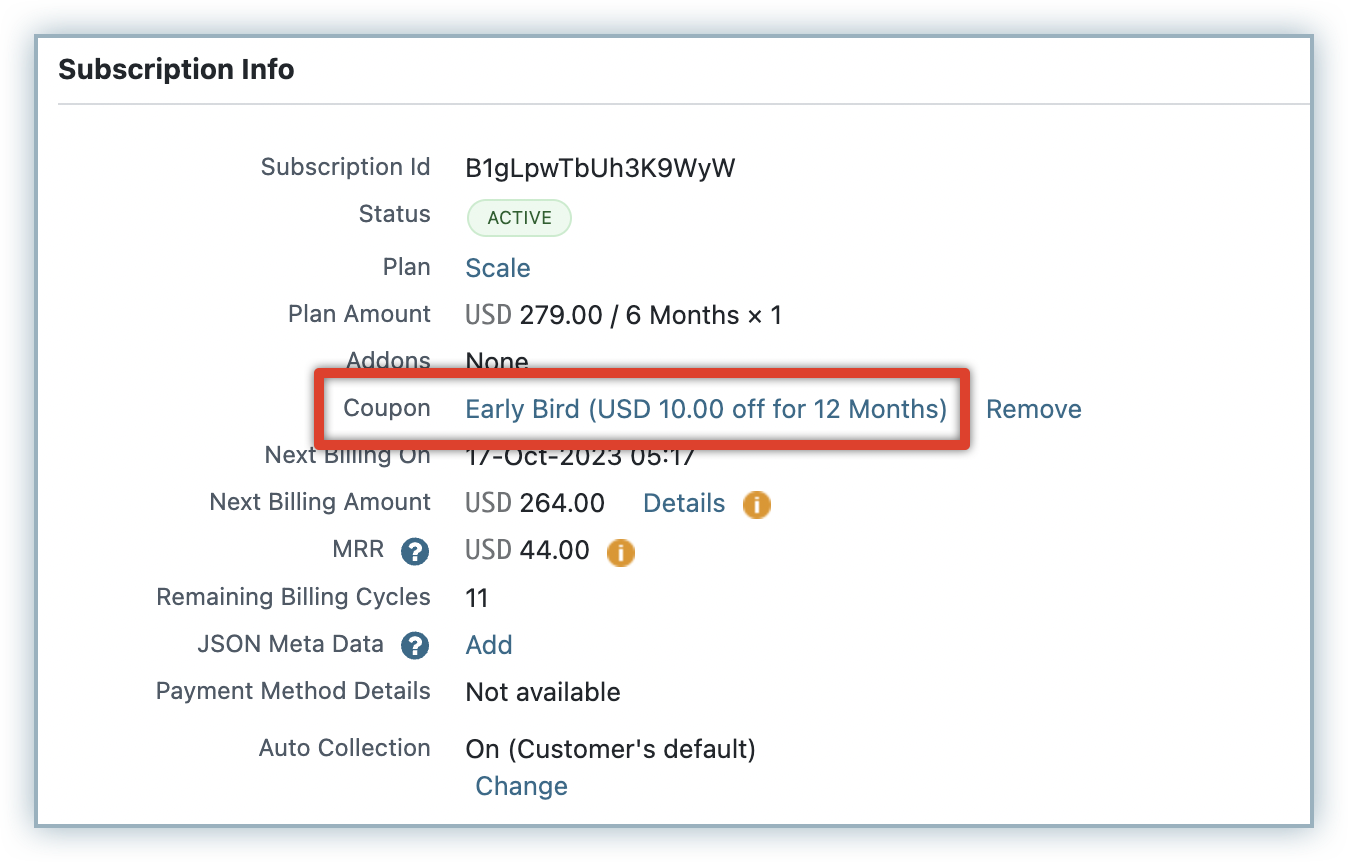
Coupon Rate Meaning In Hindi ~ coupon
The One-Minute Guide to Zero Coupon Bonds | FINRA.org Instead of getting interest payments, with a zero you buy the bond at a discount from the face value of the bond, and are paid the face amount when the bond matures. For example, you might pay $3,500 to purchase a 20-year zero-coupon bond with a face value of $10,000. After 20 years, the issuer of the bond pays you $10,000.
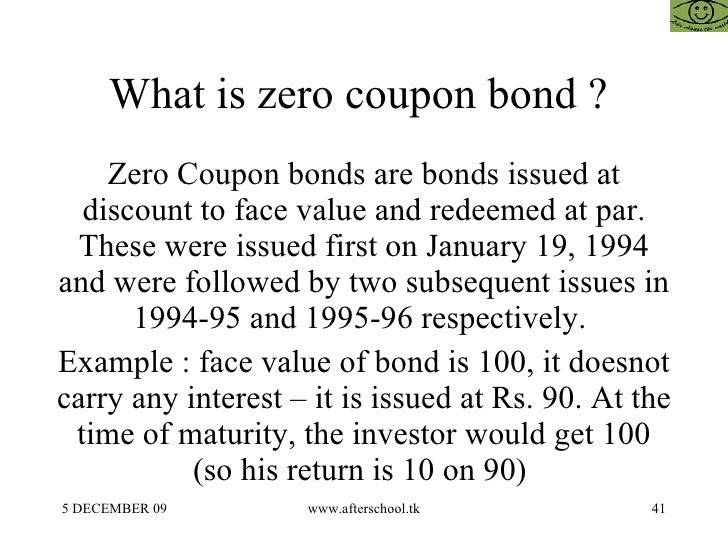
Financial services – systems, practices and opportunities
Zero-Coupon Bonds Zero-Coupon Bonds. Zero-coupon bonds (or zeros, as they are called) differ from other debt obligations in that they don't pay out a stream of interest payments. Instead, they're issued at substantial discounts and accumulate and compound the interest. ... Advantages of Zero-Coupon Bonds. Therefore, zeros have two major advantages for the ...
:max_bytes(150000):strip_icc()/what-to-know-about-savings-bonds-4179025-final-9e1dce19b5d44cdf94f8c01e64ac25b2.png)
How Long Does It Take for Series EE Bonds to Mature?
Zero Coupon Bonds- Taxability under Income Tax Act, 1961 What are the benefits of investing in Zero Coupon Bonds? Zero Coupon Bonds carries lesser risk with fixed income option. The return on these bonds is comparably higher as compared to other fixed income options. Further, the most important advantage of the zero coupon bonds is that no tax is payable on interest element if you invest in notified ...

Unit 3 Assignment Questions - Unit 3 Assignment Questions Chapter Six Q ...

Zero Coupon Bonds - YouTube

Not All Bonds Are Created Equal: Choosing Between Individual Bonds and ...

Zero-Coupon Bonds | AnnuityAdvantage

Bilav Information Services LLP
Post a Comment for "41 zero coupon bonds advantages"